
A monthly issue-and-framework layer for operators who want better decisions on repeat.
Every month: one flagship issue, one framework note, and an archive sorted by topic so notes stay easy to find. Usually best after the ebook—so you already know whether the style fits.

Know what a paid month includes.
One issue, one framework note, and archive access—same shape each month.
Flagship issue
One structured briefing built around what changed, why it matters, and what an operator should do next.
Framework note
One practical companion asset: teardown checklist, scorecard, prompt pack, or decision worksheet.
Archive access
Issues grouped by topic—conversion, retention, offers, lifecycle—so you can find the right note when you need it.
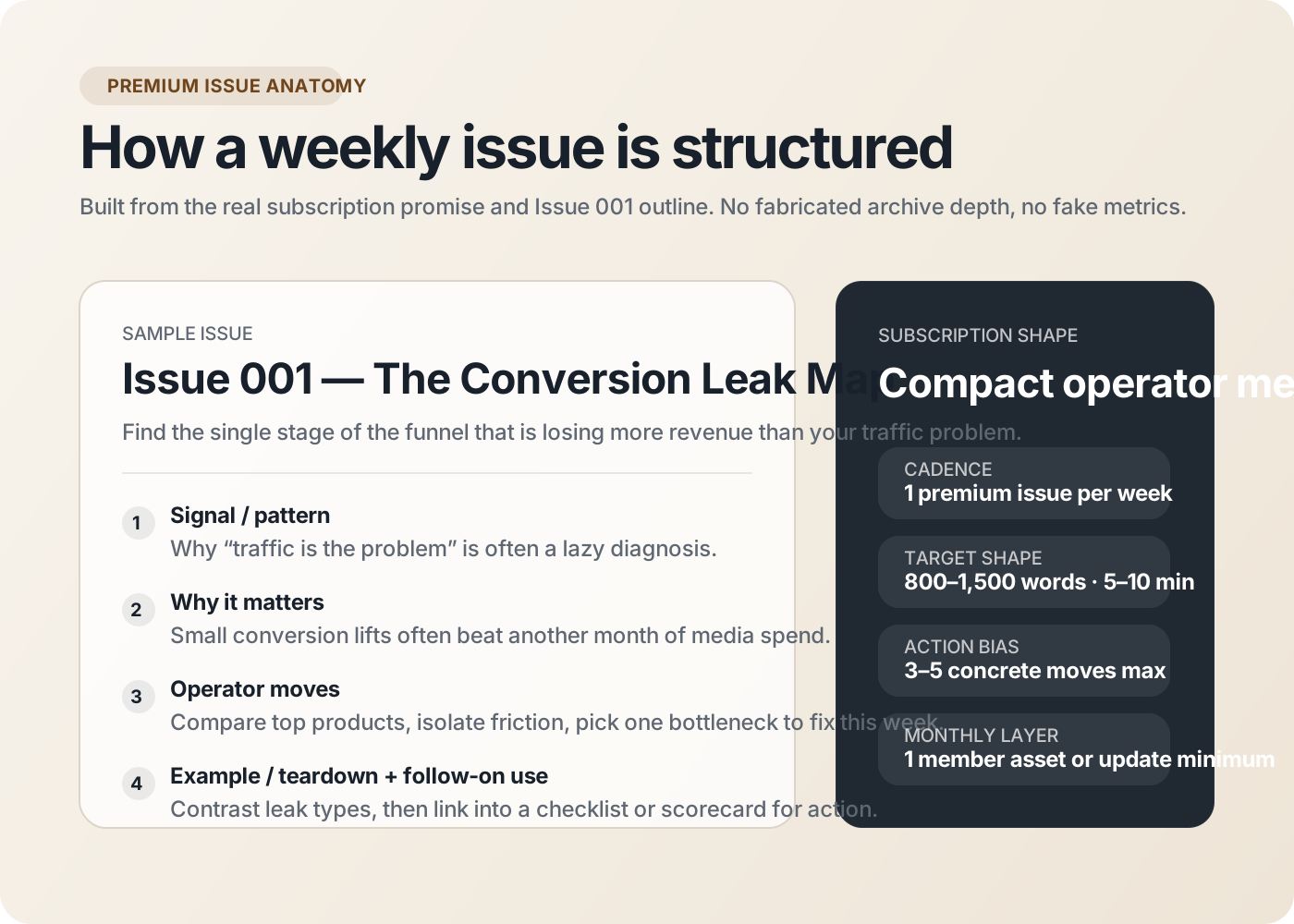
Inside a VelocityCart issue.
From what changed to what it costs you—then what to do in the next seven days.
What an issue contains
- Headline and commercial angle
- What changed in the market, funnel, or customer behaviour
- Why it matters for margin, conversion, retention, or cash flow
- Recommended actions for the next seven days
- Tools, prompts, and references worth keeping in the archive
Why that matters
Same skeleton each month: you always know where the commercial angle is, where the actions are, and where the keepable tools live.
Read two sample briefings before you subscribe.
Open the links below to see how issues read and how deep each theme goes.
These samples live in the archive area and stay free to read so you can judge the work before checkout.
The Conversion Leak Map
A practical diagnosis for locating whether revenue is dying on the PDP, in cart, or at checkout before spending harder on acquisition.
- Three-zone leak map
- 30-minute audit workflow
- 7-day action rule
Retention Triage Before More Traffic
A grounded way to separate repeat-purchase weakness into offer fit, timing, and post-purchase experience instead of treating retention as a vague lifecycle problem.
- Offer-fit diagnosis
- Timing reality check
- First 7-day post-purchase audit
How the library is organised.
Four founding themes—conversion, retention, offers, lifecycle—so you know what you are building toward.
Conversion
Leak mapping for product page, cart, and checkout friction.
Retention
Repeat-purchase triage before paying for more first orders.
Offers
Offer stack work that lifts value without reflex discounting.
Lifecycle
Email and lifecycle audits focused on revenue-critical flows.
Where to click first.
Latest issue, the category hurting revenue right now, then grab the worksheet or note that matches.
Latest issue
Start with the newest flagship briefing to understand the current commercial angle and recommended next actions.
Most useful categories
Jump straight into conversion, retention, offers, or lifecycle depending on where revenue is leaking right now.
Keepable resources
Use the framework note, worksheet, or teardown asset when you need a practical way to review a page, offer, or flow.
Best for operators who want an ongoing decision rhythm.
Membership is for people who want a steady drumbeat of issues and notes—not a one-off download.
Best for
- Operators who already know they benefit from regular analysis and reusable frameworks.
- Teams that want a category-led archive instead of a stream of disposable updates.
- Readers who have already seen the ebook or otherwise understand the VelocityCart style.
Probably not for
- Buyers who want a fully built member app before they value the underlying editorial work.
- Teams looking for done-for-you implementation rather than decision support.
- People who mainly need a one-off framework bundle instead of a monthly publication rhythm.
A clear monthly promise.
One flagship issue and one framework note per month, archive by category, and email support—we expand the library over time without burying what you get today.
Founding membership promise
The public promise is simple: one flagship issue, one practical framework note, archive organisation by category, and support by email.
If you are new to VelocityCart, the ebook is still the best first purchase. The membership is for operators who want the recurring layer after that first proof of value.